
The mandible reduction procedure may involve complications such as bleeding or hematoma, infection, nerve injury causing altered sensation in the lower lip and chin, and problems with the contour or symmetry of the jawline. Some symptoms such as swelling, pain, bruising, or numbness may occur during the early recovery period and do not necessarily indicate a complication.
To determine whether a symptom after mandible reduction is abnormal, its severity, progression over time, and associated symptoms should be considered. If there is significant bleeding, increasing swelling or pain, fever, unusual discharge, difficulty breathing, or marked sensory or movement changes, the patient should contact their surgeon or surgical facility for evaluation.
 What complications can occur after mandible reduction?
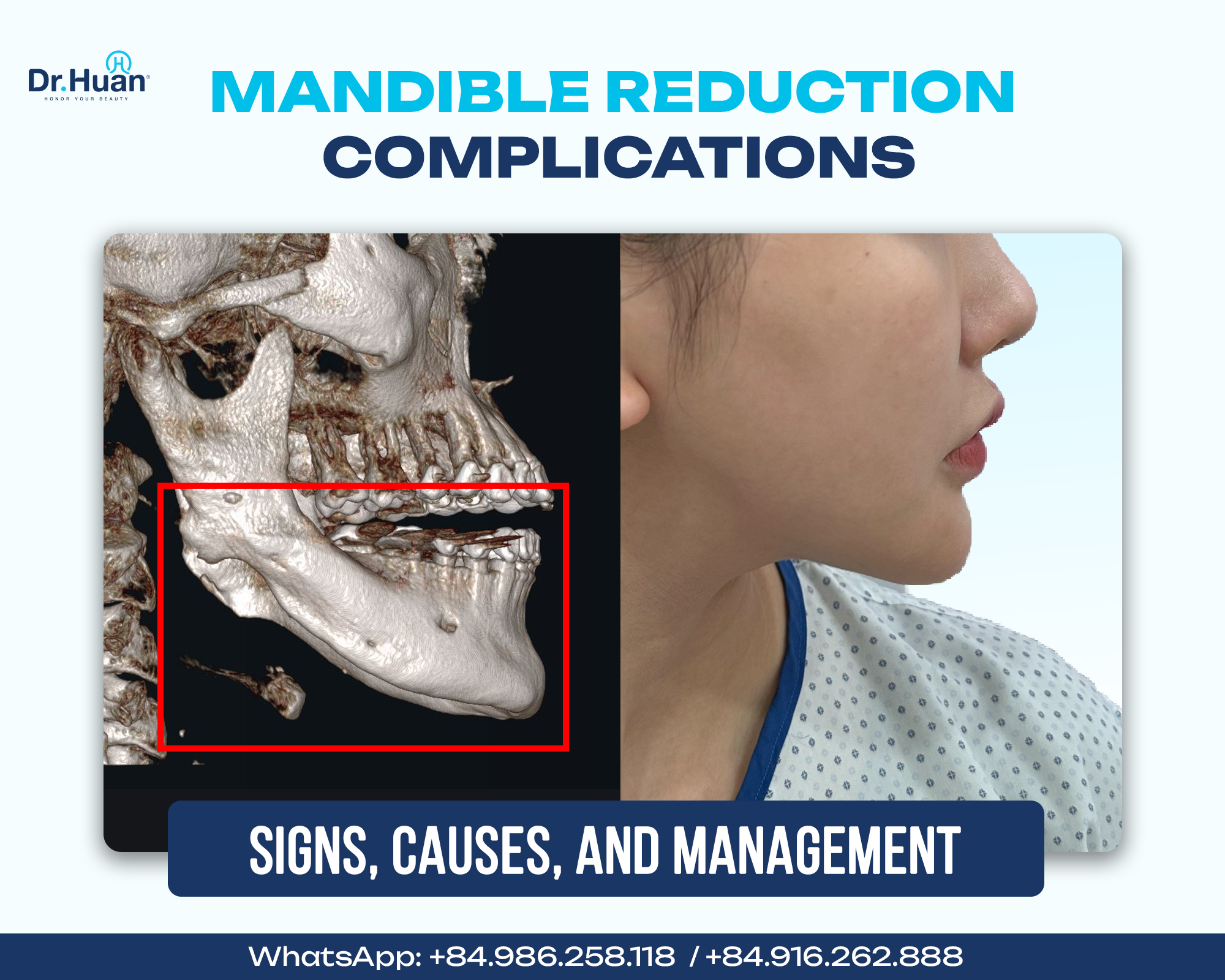 What complications can occur after mandible reduction?
Mandible reduction is a surgical procedure that reshapes the lower jawbone, an area closely associated with nerves, blood vessels, and surrounding soft tissues. Potential complications include bleeding or hematoma, infection, sensory changes, asymmetry, and an undesirable jawline contour. These complications have also been documented in studies on mandibular angle reduction surgery.
Bleeding and hematoma after mandible reduction
Bleeding can occur during or after surgery and is generally controlled during the procedure and monitored postoperatively. If bleeding persists or blood accumulates within the tissues, causing increasing swelling, tightness, or pain, the surgeon should evaluate the area and determine appropriate management.
Infection
Infection may be associated with the intraoral incision or postoperative wound care. Increasing swelling or pain, fever, unusual discharge, or an unpleasant odor from the surgical area should be evaluated by a doctor.
Altered sensation in the lower lip and chin
The inferior alveolar nerve runs within the lower jawbone and is associated with sensation in the lower lip and chin. After mandible reduction, numbness or reduced sensation may occur during the early recovery period and does not necessarily indicate permanent nerve damage. If sensory changes progress abnormally or do not show signs of improvement, further evaluation may be needed.
Asymmetry or an uneven jawline contour
After swelling subsides, some patients may notice that the two sides of the jaw appear slightly different or that the bony contour is not completely even. The surgeon should compare the postoperative appearance with the preoperative anatomy and reassess it as the soft tissues stabilize, as natural facial asymmetry is present to some degree in most people.
Inappropriate extent of bone reduction
Mandible reduction should remove or reshape an appropriate amount of bone rather than simply reducing as much bone as possible. Insufficient reduction may leave the mandibular angle wider than intended, while excessive reduction may result in an unnatural jawline or an imbalance between the underlying bone and surrounding soft tissues.
Effects on chewing or jaw movement
During the early recovery period, swelling and restricted movement may temporarily make opening the mouth and chewing less comfortable. If these problems persist or are accompanied by bite changes or pain while chewing, a clinical evaluation is needed to identify the cause.
Mandible reduction is generally performed under general anesthesia and therefore carries anesthesia-related risks similar to other surgical procedures. Preoperative health screening and anesthesia assessment help the medical team develop an appropriate anesthesia and recovery plan for each patient.
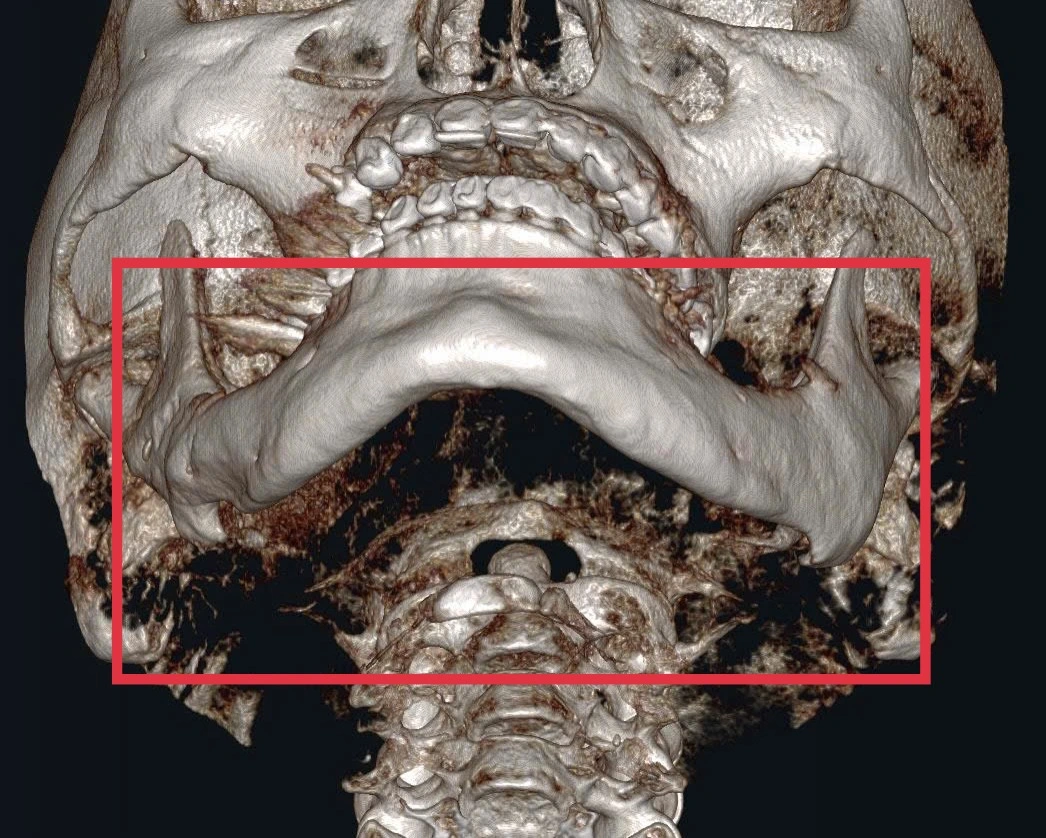
Distinguishing normal recovery from signs of complications
Swelling, pain, bruising, or numbness may occur during recovery after mandible reduction and do not necessarily indicate a complication. The following comparison can help identify when a symptom may require medical evaluation:
| Symptom | Typical recovery | Signs that should be evaluated by a doctor |
|---|---|---|
| Pain | Pain and tightness may occur initially and gradually decrease. | Pain increases rather than improves or becomes unusually severe. |
| Swelling and bruising | Swelling is more noticeable during the early period and gradually subsides; bruising may change color as it resolves. | Swelling increases rapidly, becomes tense or firm, spreads, or is accompanied by increasing pain. |
| Lower lip and chin sensation | Temporary numbness or reduced sensation may occur and gradually improve. | Marked loss of sensation, significant abnormal sensations, or symptoms that show no tendency to improve. |
| Surgical incision | The oral mucosa gradually heals, and discomfort decreases over time. | Persistent bleeding, increasing swelling or pain, unusual discharge, or an unpleasant odor. |
| Jawline contour | The two sides may temporarily appear uneven while swelling remains. | Noticeable asymmetry or an abnormal contour persists after swelling has decreased and the soft tissues have begun to stabilize. |
| General condition | Overall comfort and the ability to eat gradually improve during recovery. | Fever, difficulty breathing or swallowing, or other worsening systemic symptoms. |
The key is to monitor how symptoms change over time. Typical postoperative symptoms generally improve gradually, whereas symptoms that worsen, appear suddenly, or occur together with other unusual signs should be evaluated by a doctor.
How can the risk of complications from mandible reduction be reduced?
Reducing the risk of complications involves careful preoperative assessment, evaluation of the bony anatomy, appropriate surgical planning, and proper postoperative care and follow-up.
Assessment of the bone and nerve anatomy
3D Cone Beam CT helps the surgeon evaluate the lower jawbone, mandibular angle, inferior border, and the position of the mandibular canal, supporting the planning of an appropriate extent of bone reduction.
Planning based on each facial structure
The surgeon should assess the mandibular angle, inferior border of the mandible, masseter muscles, soft tissues, and the relationship between the jaw and chin. The extent of reduction should therefore be individualized rather than applying the same mandibular contouring approach to every patient.
Preoperative health assessment
Patients should undergo appropriate health screening and anesthesia assessment before surgery. They should also provide complete information about medical conditions, allergies, medications, and other products they are currently taking.
Postoperative care and follow-up
After surgery, patients should take medications as prescribed, maintain appropriate hygiene, follow dietary instructions, avoid excessive pressure or trauma to the jaw, and attend scheduled follow-up appointments. Any unusual symptoms should be discussed with the surgeon rather than managed independently.

Frequently asked questions about mandible reduction complications
Is mandible reduction dangerous?
Mandible reduction involves direct reshaping of the lower jawbone and is generally performed under general anesthesia, so it carries certain risks, including bleeding, infection, nerve injury, and an undesirable postoperative contour. The specific level of risk varies according to the patient’s health, anatomy, extent of surgery, and other factors related to the procedure and recovery.
Is numbness of the lower lip and chin after mandible reduction a complication?
Not necessarily. Numbness or reduced sensation in the lower lip and chin may occur during the early postoperative period. If it persists, worsens, or is accompanied by significant abnormal sensations, the nerve and recovery process should be evaluated by a doctor.
Can mandible reduction affect chewing in the long term?
During the early recovery period, swelling, discomfort, and restricted jaw movement can temporarily make chewing less comfortable. If bite changes, pain while chewing, or restricted jaw movement persist after recovery, an examination is needed to determine the cause.
Can an uneven or asymmetric jawline after mandible reduction be corrected?
The possibility of revision depends on the cause and degree of asymmetry, the remaining bone structure, and the condition of the soft tissues. The surgeon usually needs to assess the face after swelling has subsided and may use CT imaging to evaluate the underlying anatomy before recommending an appropriate approach.
How soon can complications occur after mandible reduction?
The timing depends on the type of complication. Bleeding or hematoma is generally a concern during the early postoperative period, while infection, sensory changes, or contour and symmetry issues may become apparent at different stages of recovery. Scheduled follow-up and monitoring throughout the healing process are therefore important.
Mandible reduction complications may involve bleeding, infection, nerves, function, or the shape of the jawline. However, swelling, pain, bruising, and numbness during the early recovery period do not always indicate a complication. What matters is monitoring how these symptoms progress and recognizing signs that require medical evaluation.
At Dr Huan, mandible reduction is planned based on clinical examination, 3D Cone Beam CT imaging, and each patient’s individual facial anatomy. Determining an appropriate extent of bone reduction before surgery, together with preoperative health assessment and postoperative follow-up, helps the surgical team manage factors related to safety and surgical outcomes.
WhatsApp +84 916 262 888 / +84 986 258 118
