
Cheekbone reduction is a facial bone contouring procedure that reshapes the zygomatic bone and zygomatic arch to reduce the prominence or width of the midface, creating a slimmer, more balanced, and harmonious facial appearance. The procedure is generally suitable for individuals with prominent cheekbones, wide zygomatic arches, or facial asymmetry caused by underlying bone structure.
During surgery, the surgeon performs osteotomies to reposition and secure the zygomatic bone–arch complex according to a carefully developed surgical plan.
At Dr Huan, Dr. Nguyen Duy Huan performs the 360-degree cheekbone reduction technique, incorporating 3D Cone Beam CT analysis, customized surgical guides, and patient-specific titanium fixation plates. Particular attention is given to preserving and restoring the midfacial soft tissue support system to minimize the risk of postoperative sagging.
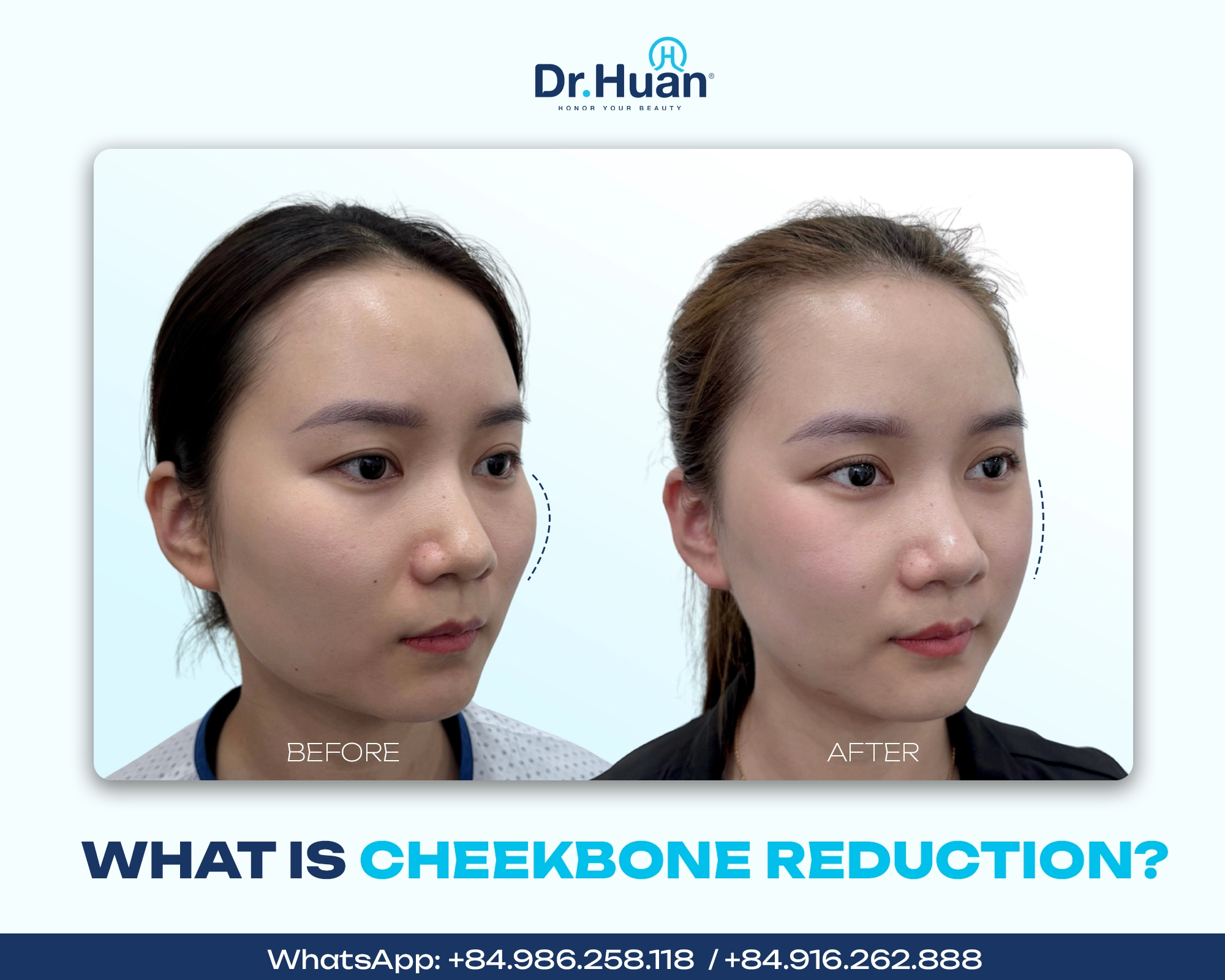
What is cheekbone reduction and which bones does it involve?
Cheekbone reduction is a facial bone contouring procedure that modifies the zygomatic bone–arch complex to adjust the projection, width, and overall contour of the midface.
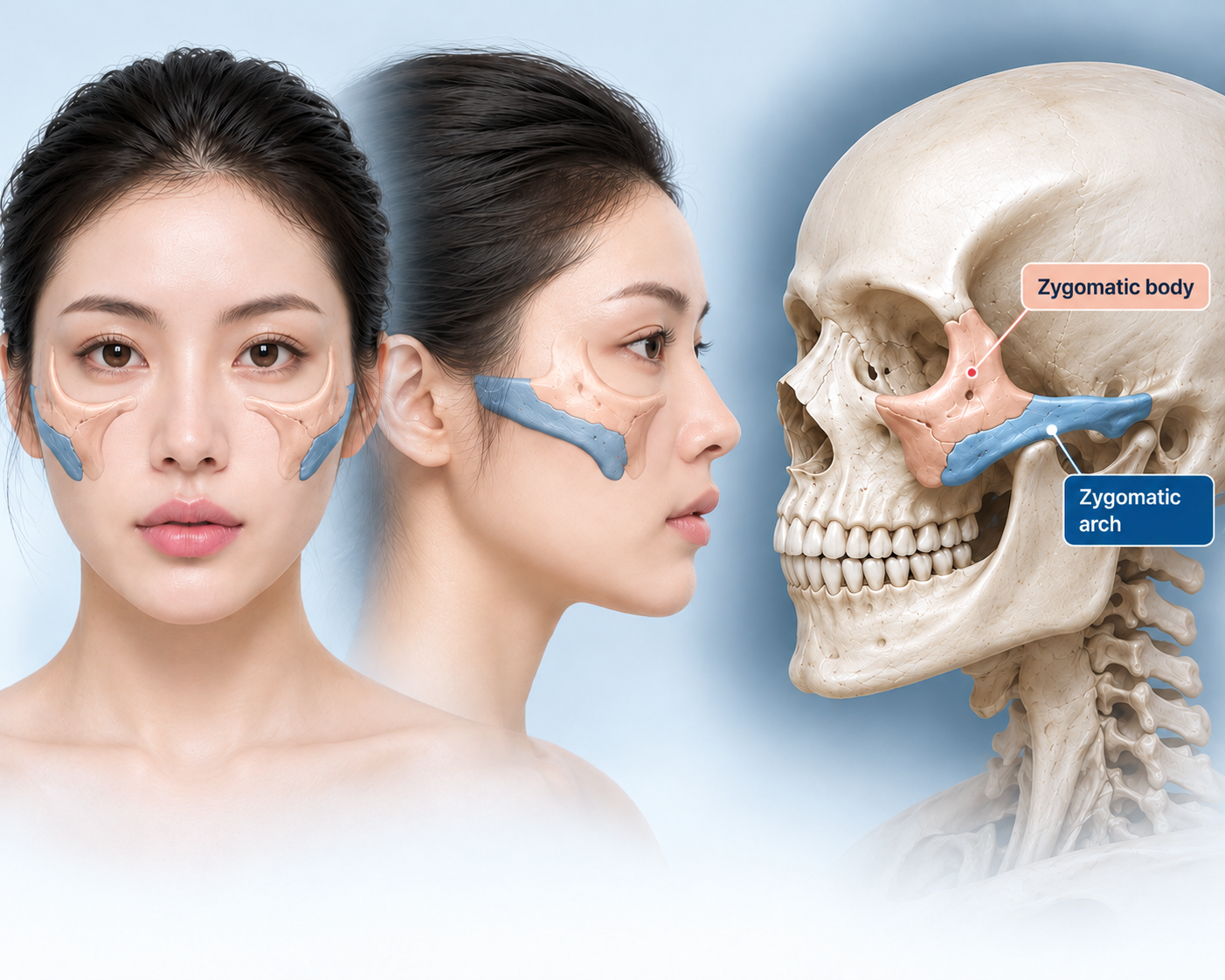
The cheekbone region consists of two important bony structures that directly influence facial appearance:
- Zygomatic body: Located on both sides of the face, below and lateral to the eye sockets, the zygomatic body contributes to cheekbone projection when viewed from the front, side, and oblique angles.
- Zygomatic arch: The bony arch extending from the zygomatic bone toward the temporal bone. It plays an important role in determining midfacial width and contour.
When the zygomatic body projects excessively or the zygomatic arches extend widely to the sides, the face may appear angular, broad across the midface, or disproportionate to the jawline and chin.
During surgery, the surgeon performs precise bone cuts, repositions the bone segments, and secures them with specialized titanium plates and screws according to an individualized surgical plan. The goal is to achieve a slimmer, more balanced, and natural-looking facial contour.
Who is a suitable candidate for cheekbone reduction?
Cheekbone reduction is generally suitable for individuals with prominent, wide, or asymmetrical cheekbones caused by skeletal structure, particularly when these features make the midface appear angular or disproportionate to the rest of the face.
Suitable candidates may include:
- Individuals with prominent, angular cheekbones: The zygomatic body projects noticeably forward or outward, particularly when viewed from a 45-degree angle. Surgery can reduce excessive projection and refine the cheek contour.
- Individuals with wide cheekbones or outwardly flared zygomatic arches: Wide zygomatic arches can make the midface appear broad. Surgical adjustment of the zygomatic body and arch can improve facial width and proportions.
- Individuals with asymmetrical cheekbones: Differences in cheekbone projection, width, or position between the two sides of the face may be improved through skeletal repositioning.
- Individuals who meet the medical requirements for surgery: Candidates should have reached sufficient skeletal maturity, be medically fit for general anesthesia, and have no uncontrolled medical conditions or active infections in the surgical area.
At Dr Huan, Dr. Nguyen Duy Huan personally examines each patient, analyzes their facial bone structure using 3D Cone Beam CT imaging, and evaluates the condition of the soft tissues to determine whether cheekbone reduction is appropriate.
What makes the 360-degree cheekbone reduction technique at Dr Huan distinctive?
The 360-degree cheekbone reduction technique at Dr Huan involves repositioning the zygomatic bone–arch complex using an L-shaped osteotomy, supported by 3D Cone Beam CT analysis, individualized surgical planning, and specialized surgical instruments.
Dr. Nguyen Duy Huan focuses on reducing excessive cheekbone projection and width while maintaining skeletal stability and preserving the soft tissue support structures of the midface.
1. 3D Cone Beam CT imaging and personalized surgical planning
Before surgery, Dr. Nguyen Duy Huan uses 3D Cone Beam CT images to analyze the zygomatic body, zygomatic arch, cheekbone projection, facial width, and symmetry between both sides of the face.
Based on these imaging data, the surgeon develops an individualized surgical plan, determining the osteotomy locations, the amount of bone adjustment required, and the appropriate direction of bone movement.
Planning based on each patient’s actual anatomy allows the surgeon to better control changes in midfacial dimensions, with the aim of achieving balanced and natural-looking results.
2. L-shaped cheekbone osteotomy (L-osteotomy)
An L-osteotomy involves creating an L-shaped bone cut in the zygomatic body, combined with adjustment of the zygomatic arch to reduce midfacial projection and width.
Dr. Nguyen Duy Huan performs the osteotomy according to the surgical plan established using 3D CT imaging. The zygomatic bone–arch complex is then repositioned to achieve proportions appropriate for the patient’s facial structure.
This technique allows the surgeon to control the position and direction of bone movement while tailoring the degree of reduction to each patient’s anatomical characteristics.
After repositioning, the bone segments are secured using specialized titanium plates and screws to maintain stability throughout the healing process.
3. Specialized bone-cutting instruments and digital surgical guides
During 360-degree cheekbone reduction, Dr. Huan uses specialized instruments to support precise surgical execution:
- Ultrasonic bone saw: Facilitates bone cutting while helping minimize unnecessary trauma to surrounding soft tissues.
- Parallel bone-cutting saw: Helps determine and control the amount of bone removed according to the surgical plan.
- Digital surgical guides: Assist in positioning osteotomy lines and guiding bone movement according to the preoperative design.
Combining these instruments improves control over osteotomy placement and the degree of skeletal adjustment, particularly in patients with complex or asymmetrical cheekbone structures.
4. Bone fixation using titanium plates
After the zygomatic bone–arch complex has been cut and repositioned, the surgeon uses titanium plates and screws to secure the bone segments in their new positions.
The fixation system helps maintain the planned bone alignment, provides stability during healing, and supports the intended relationship between the repositioned skeletal structures.
Proper bone positioning, adequate contact between bone segments, and stable fixation are important factors in postoperative healing.
5. Preservation and restoration of midfacial soft tissue support
In addition to reshaping the bone, Dr. Huan pays particular attention to the structures responsible for supporting the midfacial soft tissues, aiming to minimize the risk of postoperative sagging.
The surgical approach emphasizes:
- Limiting soft tissue dissection to the necessary areas and avoiding excessive tissue release.
- Carefully controlling the amount of bone removed to prevent over-reduction.
- Repositioning the bone according to the predetermined surgical plan.
- Stabilizing the zygomatic bone–arch complex with specialized titanium plates and screws.
- Repairing midfacial supporting structures and zygomatic ligaments when indicated.
These measures help minimize disruption to the surrounding soft tissues and support the maintenance of cheek contours after surgery.
However, the risk of postoperative sagging also depends on skin elasticity, soft tissue volume, existing signs of aging, and individual healing characteristics.
6. Combining midface lifting or Deep Plane facelift techniques when necessary
For patients with existing soft tissue sagging or reduced skin elasticity, Dr. Huan may recommend additional supportive procedures:
- Midface lifting: Helps lift and reposition the soft tissues of the cheek area to improve midfacial support.
- Deep Plane facelift: Addresses deeper facial soft tissue structures in patients with more pronounced aging and tissue descent requiring advanced correction.
Whether these procedures should be combined depends on the condition of the soft tissues, the extent of skeletal adjustment, and the patient’s overall health.
Not every patient undergoing cheekbone reduction requires a facelift. Dr. Nguyen Duy Huan evaluates the bone structure, skin elasticity, and soft tissue condition to determine the most appropriate treatment approach, aiming for a slimmer, balanced, and natural-looking face.
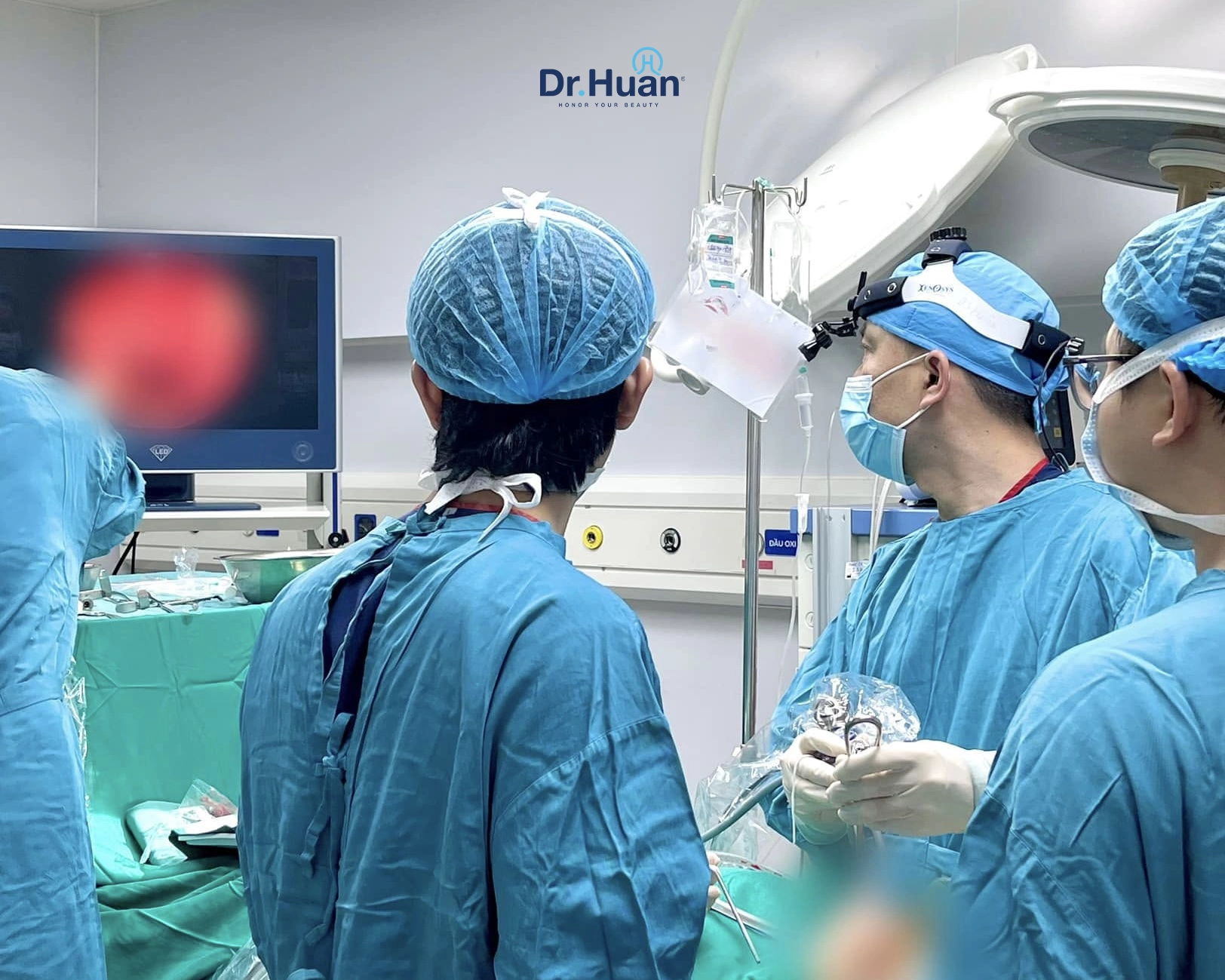
Dr. Nguyen Duy Huan’s international research contribution to cheekbone reduction
Dr. Nguyen Duy Huan is the first author of the scientific study titled “Technical Refinements in Reduction Malarplasty: A CT-Based Evaluation With Clinical Follow-Up,” published in the international medical journal The Journal of Craniofacial Surgery on August 24, 2026.
The study involved 44 patients and evaluated the effectiveness of a modified L-shaped osteotomy technique for cheekbone reduction using CT imaging obtained before surgery and six months postoperatively.
The findings demonstrated:
- An average reduction in cheekbone width of 7.1 mm.
- Significant improvement in facial symmetry.
- Preservation of soft tissue contours.
- Temporary sensory changes in 4.5% of patients (2 out of 44), with all affected patients recovering within three months.
This publication highlights Dr. Nguyen Duy Huan’s contribution to research in aesthetic maxillofacial surgery and provides clinical evidence supporting the effectiveness of the modified L-shaped cheekbone reduction technique.
Read the scientific publication in The Journal of Craniofacial Surgery.
Cheekbone reduction procedure at Dr Huan
The cheekbone reduction procedure at Dr Huan consists of eight steps, with each surgical plan tailored to the patient’s bone structure, soft tissue condition, and overall health.
Step 1 – Consultation and examination: Dr. Nguyen Duy Huan evaluates the cheekbone structure, facial proportions, and the patient’s aesthetic goals.
Step 2 – 3D Cone Beam CT imaging: Detailed imaging is performed to assess the zygomatic bones, zygomatic arches, and surrounding anatomical structures.
Step 3 – Surgical planning: The surgeon determines the osteotomy locations, degree of bone reduction, and appropriate direction of skeletal repositioning.
Step 4 – Preoperative health assessment: Medical tests and examinations are performed to determine the patient’s suitability for general anesthesia and surgery.
Step 5 – General anesthesia: The patient receives general anesthesia, with vital signs continuously monitored throughout the procedure.
Step 6 – Cheekbone repositioning: The surgeon performs the planned osteotomies and repositions the zygomatic bone–arch complex.
Step 7 – Bone fixation: Titanium plates and screws are used to stabilize the repositioned bone segments. Soft tissue structures are repaired when necessary, and the incisions are closed.
Step 8 – Postoperative care: The patient receives recovery monitoring, postoperative care instructions, and scheduled follow-up examinations.
At Dr Huan, each cheekbone reduction procedure is individually planned to improve facial contours while prioritizing patient safety and long-term skeletal stability.
Before and after cheekbone reduction at Dr Huan

Note: Actual results vary depending on each patient’s bone structure, soft tissue condition, and healing process.
How long does recovery take after cheekbone reduction?
After cheekbone reduction surgery, swelling and tightness typically improve gradually over several weeks, while the bones and soft tissues may continue healing and stabilizing for several months.
The actual recovery period varies depending on the extent of bone adjustment, individual healing characteristics, and postoperative care.
| Recovery period | Typical recovery progress |
|---|---|
| First 1–3 days | Swelling, tightness, discomfort, and possible difficulty opening the mouth |
| Days 4–7 | Swelling and bruising may remain noticeable but generally begin to improve |
| Weeks 2–4 | Swelling gradually decreases, and many patients can resume light daily activities |
| Months 1–3 | Facial contours continue changing as swelling subsides and soft tissues adapt |
| Following months | Bone and soft tissue healing continues, and the final aesthetic contours become more apparent |
Note: These timelines are approximate and may vary from patient to patient.
How to care for yourself after cheekbone reduction surgery
Proper postoperative care supports healing and helps minimize unwanted pressure or trauma to the repositioned cheekbones.
Patients should follow these recommendations:
- Take medications as prescribed: Do not discontinue medications, change dosages, or take additional drugs without medical guidance.
- Maintain oral hygiene: Follow the surgeon’s instructions to reduce the risk of infection, particularly when intraoral incisions are used.
- Choose soft foods: Eat foods that require minimal chewing during the initial recovery period. Gradually return to firmer foods only when approved by the surgeon.
- Avoid pressure on the cheeks: Prevent facial impacts, avoid sleeping directly on the operated area, and refrain from strenuous physical activities during recovery.
- Wear a compression garment if prescribed: Follow the recommended wearing schedule and instructions.
- Attend scheduled follow-up appointments: Regular examinations allow the surgeon to monitor healing, assess bone stability, and identify potential complications early.
If symptoms such as rapidly increasing pain, unusual swelling, fever, or persistent bleeding occur, contact the medical facility immediately. Difficulty breathing or other severe symptoms require emergency medical attention.
Frequently asked questions about cheekbone reduction
Is cheekbone reduction painful?
During cheekbone reduction surgery, patients receive general anesthesia and therefore do not experience pain during the procedure.
After surgery, mild pain, swelling, soreness, or tightness may occur around the cheeks during the first few days.
These symptoms generally improve over time and can be managed with medications prescribed by the surgeon.
Does cheekbone reduction leave scars?
Cheekbone reduction is primarily performed through incisions inside the mouth, which do not create visible external scars at those incision sites.
However, certain surgical techniques may require additional small incisions near the sideburn area. These incisions may leave scars, although they are typically placed in less noticeable locations.
Is cheekbone reduction permanent?
Cheekbone reduction produces long-lasting changes to the underlying bone structure.
Once the repositioned bones have healed and stabilized, they generally do not return to their original positions.
However, facial contours may continue to change over time due to aging, weight fluctuations, and changes in the soft tissues.
Should cheekbone reduction be combined with mandible reduction?
Cheekbone reduction may be combined with mandible reduction when both the midface and lower face require skeletal adjustment.
Performing both procedures together can improve overall facial proportions, but not every patient needs both surgeries.
At what age can you undergo cheekbone reduction?
Cheekbone reduction for aesthetic purposes is generally considered for individuals aged 18 and older, provided their facial bones have reached sufficient skeletal maturity and their overall health meets the requirements for surgery.
The surgeon must evaluate skeletal development before recommending the procedure.
Does cheekbone reduction cause facial sagging?
Cheekbone reduction does not necessarily cause facial sagging.
The risk of soft tissue descent depends on several factors, including skin elasticity, the extent of surgical dissection, and the bone repositioning technique.
At Dr Huan, Dr. Nguyen Duy Huan emphasizes the preservation and restoration of midfacial supporting structures to minimize the risk of postoperative sagging.
For patients with existing soft tissue laxity, additional procedures such as midface lifting or a Deep Plane facelift may be recommended when clinically appropriate.
How much does cheekbone reduction cost?
The cost of cheekbone reduction depends on the surgical technique, the extent of skeletal adjustment, and the individualized treatment plan.
At Dr Huan, the specific cost is discussed after the surgeon has examined the patient and assessed their facial structure.
Cheekbone reduction is a facial bone contouring procedure that reshapes the zygomatic bone–arch complex to reduce excessive cheekbone projection, narrow the midface, and create more balanced, natural-looking facial contours.
At Dr Huan, Dr. Nguyen Duy Huan performs the 360-degree cheekbone reduction technique, incorporating 3D Cone Beam CT imaging, modified L-shaped osteotomy, and patient-specific titanium fixation plates while emphasizing the preservation of midfacial soft tissue support.
Dr. Huan is also the first author of a scientific study on cheekbone reduction published in The Journal of Craniofacial Surgery in 2026.
Every face has unique skeletal characteristics and proportions. At Dr Huan, Dr. Nguyen Duy Huan personally examines each patient, analyzes their facial anatomy, and recommends an individualized treatment approach, helping patients understand their facial structure and make informed decisions about whether surgical intervention is necessary.
WhatsApp +84 916 262 888 / +84 986 258 118
