
How long does it take to recover from cheekbone reduction? Recovery from cheekbone reduction surgery generally takes approximately 1–3 months for facial swelling to subside significantly and facial contours to gradually stabilize. During the first 7–14 days, swelling and bruising typically begin to decrease. After approximately 2–4 weeks, facial contours become more noticeable. However, bone healing and soft tissue recovery may continue for several months.
The actual recovery time depends on the extent of zygomatic bone and arch adjustment, surgical technique, the patient’s overall health, and postoperative care. Understanding the different stages of healing helps patients plan their recovery period and maintain realistic expectations about their aesthetic results.
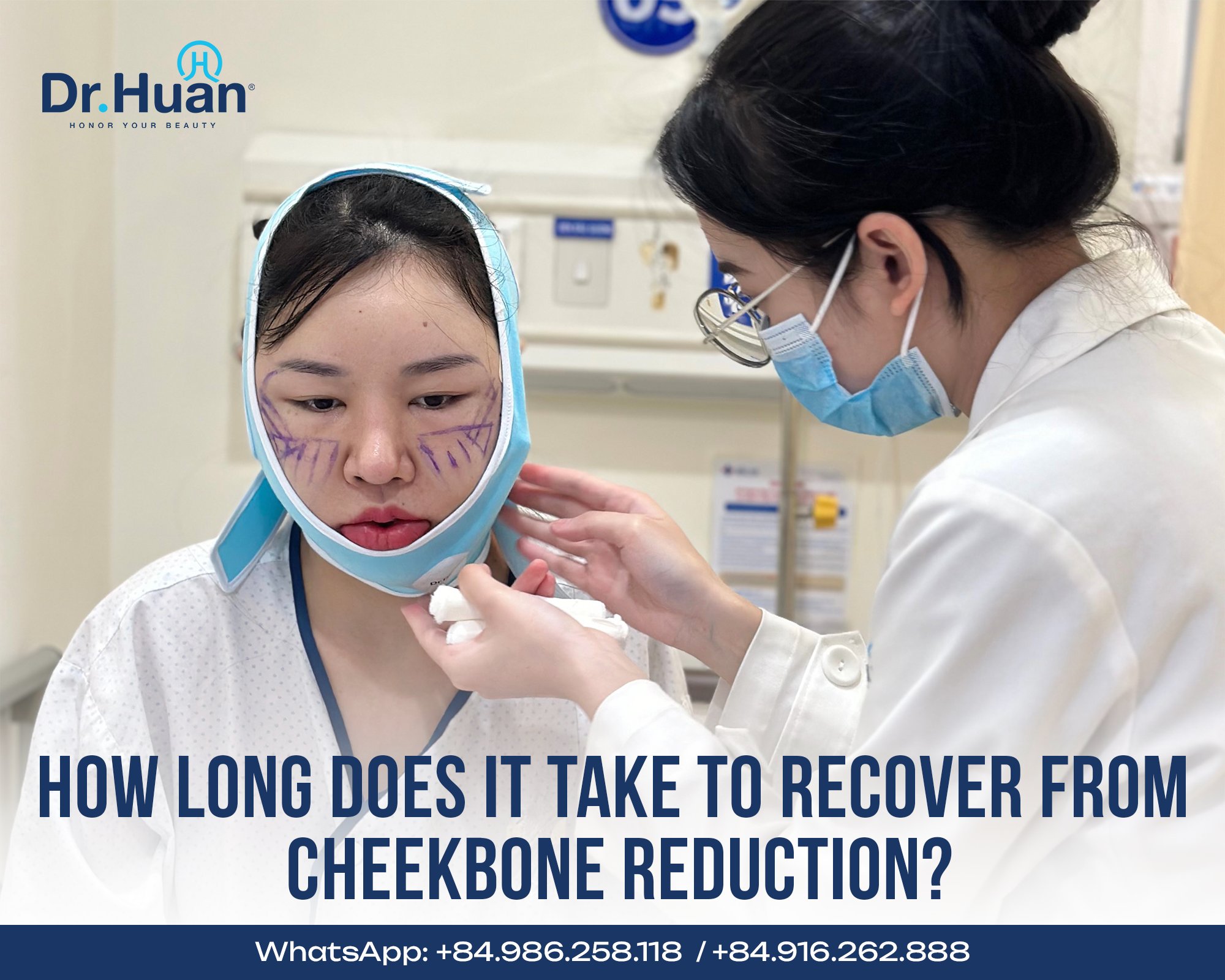
How long does it take to recover from cheekbone reduction? Stages from swelling reduction to stabilization
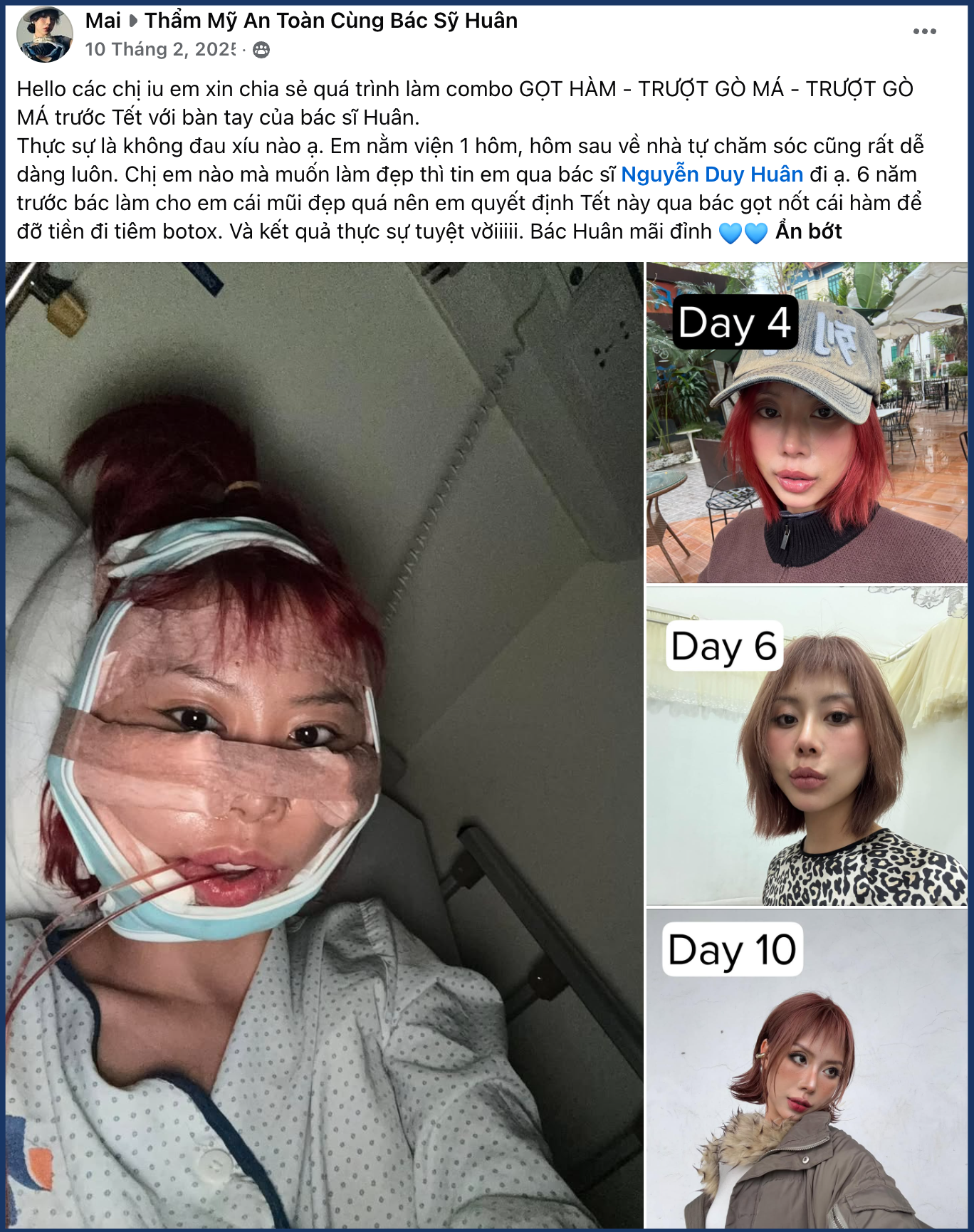
After cheekbone reduction, the bones and surrounding soft tissues undergo several stages of healing. Swelling, the ability to resume daily activities, and changes in facial contours can be monitored according to the following timeline.
| Recovery stage | Typical changes |
|---|---|
| Days 1–3 | Noticeable swelling may occur around the cheeks and eyes, accompanied by tightness, pain, or discomfort. Mouth opening and eating may remain limited. |
| Days 4–7 | Swelling and bruising may still be noticeable but usually begin to subside. Tightness in the cheek area may also improve. |
| Days 7–14 | Swelling and bruising continue to decrease, making daily activities more comfortable. Facial contours become easier to observe, although they do not yet reflect the final result. |
| Weeks 2–4 | Most of the initial swelling may decrease significantly. Soft tissues continue to heal, and the face gradually develops a more natural appearance. |
| Months 1–3 | Residual swelling continues to subside, soft tissues gradually adapt to the repositioned bone structure, and facial contours become more stable. |
| After 3 months | Bone remodeling and soft tissue recovery may continue. Some patients require additional time for their final results to become fully apparent. |
These timeframes are general estimates rather than a fixed recovery schedule for every patient. The extent of swelling, healing rate, and degree of stabilization may vary from person to person.
Factors affecting recovery time after cheekbone reduction
Recovery time after cheekbone reduction depends not only on individual healing characteristics but also on skeletal anatomy, the extent of surgery, and postoperative care.
| Factor | Impact on recovery |
|---|---|
| Extent of bone adjustment | The degree of surgical intervention involving the zygomatic body, zygomatic arch, and bone repositioning may affect swelling and healing time. |
| Surgical technique | The methods used for bone cutting, repositioning, and fixation, as well as the extent of soft tissue manipulation, can influence recovery. |
| Individual healing capacity | The rate of swelling reduction, soft tissue recovery, and bone healing varies among individuals. |
| Overall health | General health, underlying medical conditions, and factors affecting blood circulation may influence the healing process. |
| Nutrition | Adequate calorie intake, protein, and essential nutrients help support tissue repair and overall recovery. |
| Postoperative care | Following instructions regarding medication, hygiene, diet, and rest plays an important role in recovery. |
| Smoking | Nicotine and other substances in tobacco smoke can negatively affect blood circulation, soft tissue healing, and bone recovery. |
| Trauma to the cheekbone area | Strong impacts or excessive pressure on the healing bone structures may compromise the stability of the surgical area. |
The extent of skeletal correction and surgical technique should be determined based on each patient’s zygomatic bone–arch anatomy, supported by 3D CT imaging when indicated.
In addition to an appropriate surgical plan, following postoperative instructions and attending scheduled follow-up appointments are essential for bone healing and soft tissue stabilization.
How to support recovery after cheekbone reduction
Proper postoperative care helps reduce swelling, supports bone and soft tissue healing, and minimizes the risk of complications.
After cheekbone reduction, patients should follow these recommendations:
- Take medications as prescribed: Follow the surgeon’s medication instructions and postoperative care guidelines.
- Apply cold and warm compresses: Use compresses according to medical instructions to help reduce swelling, while avoiding direct pressure on the surgical area.
- Maintain proper oral hygiene: Clean the oral cavity gently and use prescribed mouthwash when intraoral incisions are present.
- Follow an appropriate diet: Choose soft, easy-to-eat, nutritious foods. Avoid hard, chewy foods and excessive chewing.
- Get adequate rest: Limit strenuous physical activities and consider sleeping with the head elevated as recommended by the surgeon.
- Protect the cheekbone area: Avoid sleeping directly on the cheeks, applying strong pressure, massaging the area, or exposing the surgical site to accidental impacts.
- Avoid smoking and alcohol: Refrain from substances that may interfere with the healing process.
- Attend scheduled follow-up appointments: Regular postoperative assessments allow the surgeon to monitor healing and evaluate the stability of the repositioned bone structures.
Patients should contact their surgeon if they experience unusually increasing swelling or pain, fever, prolonged bleeding, or signs of infection. Symptoms such as vision changes, double vision, or difficulty breathing require immediate emergency medical attention.
Following postoperative instructions and protecting the cheekbone area throughout the healing period are important measures for supporting a smooth and safe recovery.
Frequently asked questions about cheekbone reduction recovery time
How long does swelling last after cheekbone reduction?
Swelling is typically most noticeable during the first few days and gradually decreases over 1–2 weeks.
After approximately 2–4 weeks, most of the initial swelling may have subsided significantly. However, mild residual swelling can persist for several months.
How long does it take to fully recover from cheekbone reduction?
Significant recovery and gradual stabilization of facial contours generally occur within approximately 1–3 months.
However, complete bone healing and soft tissue recovery may take longer, depending on the individual patient’s condition and healing capacity.
When can I return to work after cheekbone reduction?
Patients with office-based jobs may be able to return to work after approximately 1–2 weeks, provided their health and recovery are progressing well.
Physically demanding jobs or occupations involving a risk of facial impact may require a longer recovery period.
When can I eat and chew normally after cheekbone reduction?
During the first few weeks, patients should prioritize soft foods and avoid forceful chewing.
The appropriate time to resume a normal diet depends on the progress of healing and the surgeon’s recommendations.
How long does bone healing take after cheekbone reduction?
The zygomatic bones require several weeks to heal, while bone remodeling may continue for months after surgery.
The actual healing period depends on the surgical technique and each patient’s individual recovery capacity.
When will my face look natural after cheekbone reduction?
After approximately 2–4 weeks, facial contours may become more defined as swelling decreases.
Over the following 1–3 months, the soft tissues continue adapting to the adjusted bone structure, allowing the face to gradually develop a more natural appearance.
When can I exercise after cheekbone reduction?
Light walking can generally be resumed when the patient’s health allows.
Strenuous exercise or activities involving a risk of facial impact should only be resumed after receiving approval from the surgeon.
How long does it take to recover from cheekbone reduction? Recovery time depends on the extent of bone adjustment, the surgical technique, and each patient’s individual healing capacity. Swelling typically decreases gradually during the first few weeks, while bone healing and soft tissue recovery continue over the following months. Following postoperative care instructions and attending scheduled follow-up appointments help support a smoother recovery process.
If you are considering cheekbone reduction, you can schedule a consultation with Dr. Nguyen Duy Huan at Dr Huan for a comprehensive evaluation of your zygomatic bone–arch structure, personalized surgical planning, and professional guidance regarding your expected recovery timeline.
WhatsApp +84 916 262 888 / +84 986 258 118
