
Chin implant surgery involves placing an implant in the chin area to increase projection and improve facial balance in profile. The appropriate approach depends on an assessment of the chin structure, jaw alignment and bite. When a recessed chin is accompanied by bite problems, a chin implant alone may not address the underlying cause.
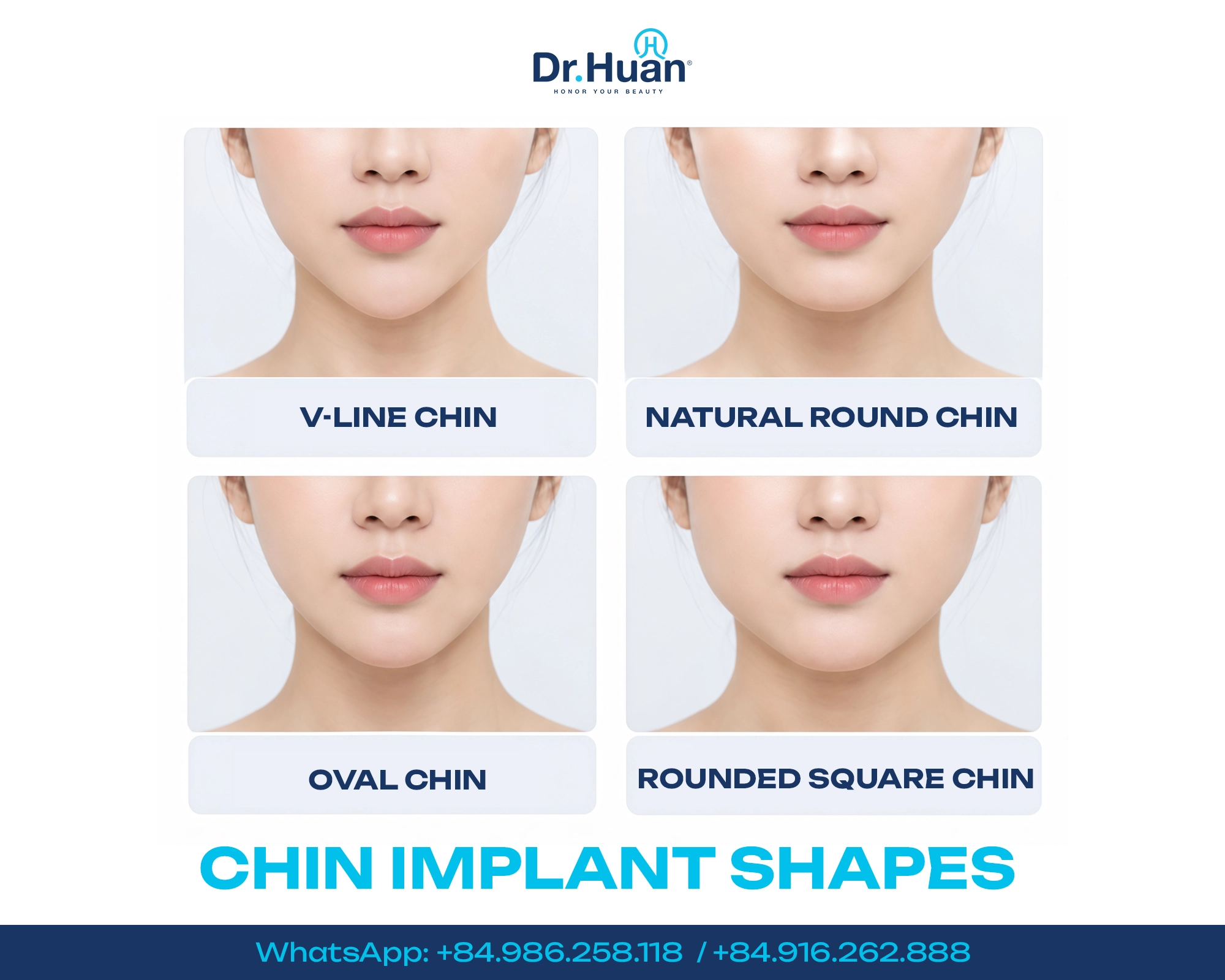
Is a chin implant suitable for a recessed chin?
A recessed chin lacks forward projection, making it appear set back when viewed from the side. This can leave the lower face looking less balanced in relation to the nose and lips, with less definition between the chin and neck.
A chin implant may be suitable when the goal is to increase projection and improve chin shape. Before treatment, the surgeon will assess the chin structure, jaw alignment and bite to recommend an approach suited to your face.
If a recessed chin is accompanied by bite problems, jaw imbalance or difficulty chewing, further dental and maxillofacial assessment is needed. A chin implant alone does not correct jaw position or bite alignment.
Chin implants, sliding genioplasty or fillers: Which option is suitable?
The choice of treatment depends on your chin structure, the extent of the desired change and your bite. Each approach works differently and has its own limitations, which should be assessed during a consultation.
Chin implant surgery
The surgeon places an implant over the chin bone through an incision inside the mouth or beneath the chin to increase projection. This approach may be suitable for improving a recessed chin without moving the chin bone.
The implant’s shape and size should complement your face, helping the chin look balanced from both the front and the side. These factors should be considered alongside the implant material and the desired degree of improvement.
Sliding genioplasty
Sliding genioplasty involves cutting and moving a section of the chin bone forward, then securing it with plates and screws. It uses your own chin bone to increase projection and involves more extensive surgery than implant placement.
The surgeon must assess the bone structure and the amount of movement required before recommending this procedure. The decision cannot be based solely on whether the chin appears mildly or severely recessed in photographs.
Chin fillers
Filler injections add volume to the soft tissue to improve chin contours without surgery. Hyaluronic acid fillers provide temporary results, with longevity varying by product and individual.
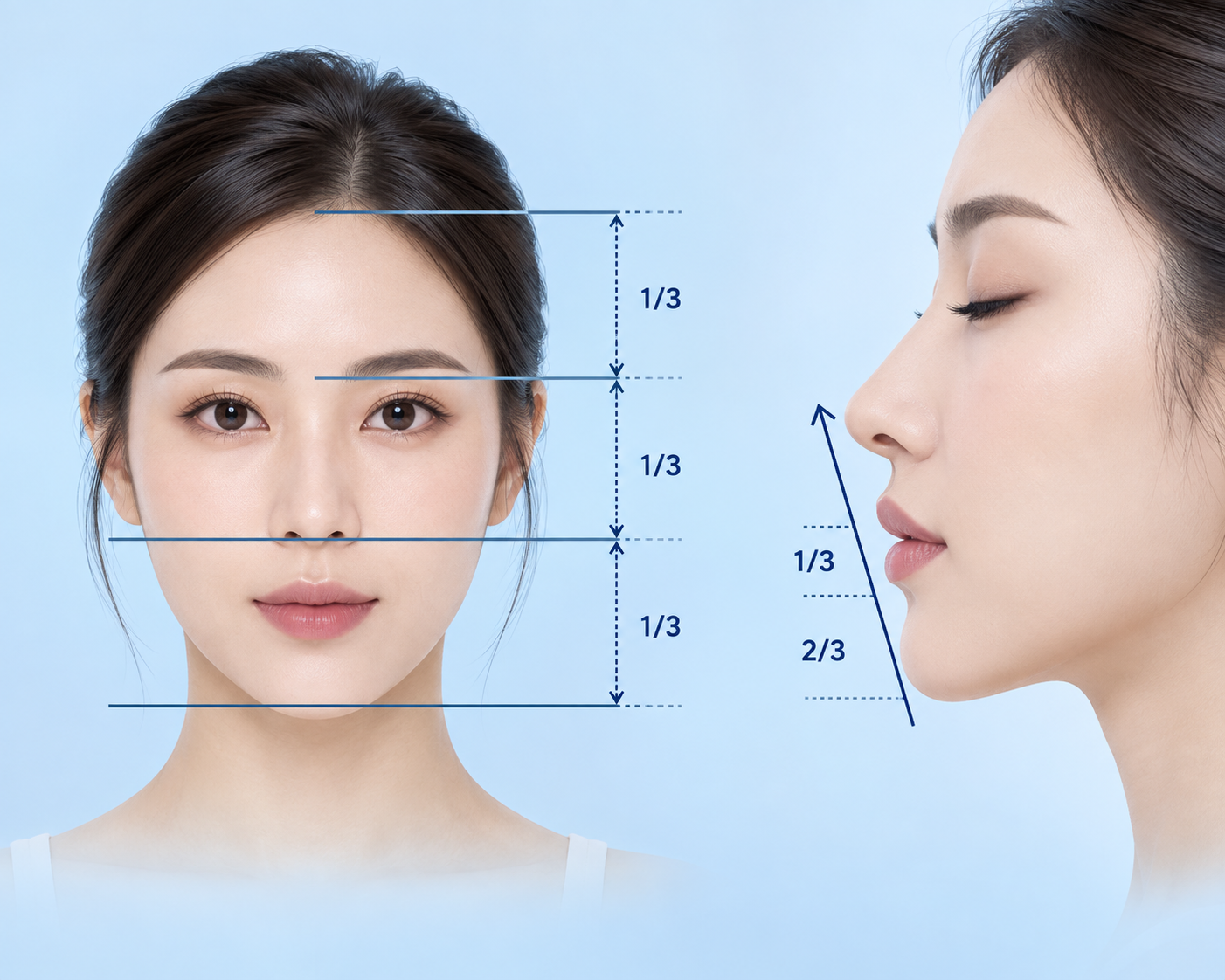
Chin implant for a recessed chin: Costs, recovery and key considerations
What does the cost include?
The cost of chin implant surgery depends on the procedure, implant material and services included. When researching how much a chin implant costs, clarify whether the quote covers medical tests, local or general anesthesia, medication and follow-up appointments.
If you have previously had chin fillers or surgery, mention this during your consultation so the surgeon can assess your situation and recommend a specific treatment plan.
How long does recovery take, and when will results settle?
Swelling and bruising can occur after surgery, so the final chin shape cannot be assessed immediately. You will generally need to limit your activities for around 1–2 weeks and follow your surgeon’s aftercare instructions.
For more information about the healing process, see the chin surgery recovery timeline. It may take approximately 2–3 months for the chin contours to settle more fully. If you have an important event coming up, discuss your schedule beforehand so you can plan sufficient recovery time.
Risks and aftercare
Chin implant surgery carries risks, including infection, bleeding, changes in sensation, asymmetry and implant displacement. Some cases may require revision surgery.
Following your aftercare instructions including taking medication, caring for the incision and attending follow-up appointments helps support recovery. Contact your surgeon if you develop a fever, pus from the incision or an unusual increase in swelling or pain.
Frequently asked questions about chin implants for a recessed chin
Can a severely recessed chin be treated with an implant?
An implant may be considered, but the surgeon must first determine whether the issue is limited chin projection or a retruded lower jaw. If bite problems are also present, an implant alone may not be appropriate, and further assessment is needed.
Can a chin implant correct protruding teeth or jaws?
A chin implant can improve facial balance in profile, but it does not correct protrusion caused by tooth or jaw position. An assessment is needed to identify the cause and determine the appropriate treatment.
Can fillers permanently correct a recessed chin?
Hyaluronic acid fillers add volume to the chin but are gradually absorbed by the body. The results are temporary and do not change the underlying jawbone structure.
A chin implant can increase chin projection and improve facial balance. Choosing between an implant, sliding genioplasty and fillers depends on your chin structure, bite and desired degree of change. An in-person consultation helps you understand the potential improvements, limitations and risks of each option before making a decision.
WhatsApp +84 916 262 888 / +84 986 258 118
Note: Aesthetic results may vary depending on each patient’s facial structure, individual characteristics, and healing process.
