
Mandible reduction recovery typically takes several weeks, with swelling gradually subsiding and patients returning to normal daily activities over time. Soft tissues and facial contours may continue to settle over the following months.
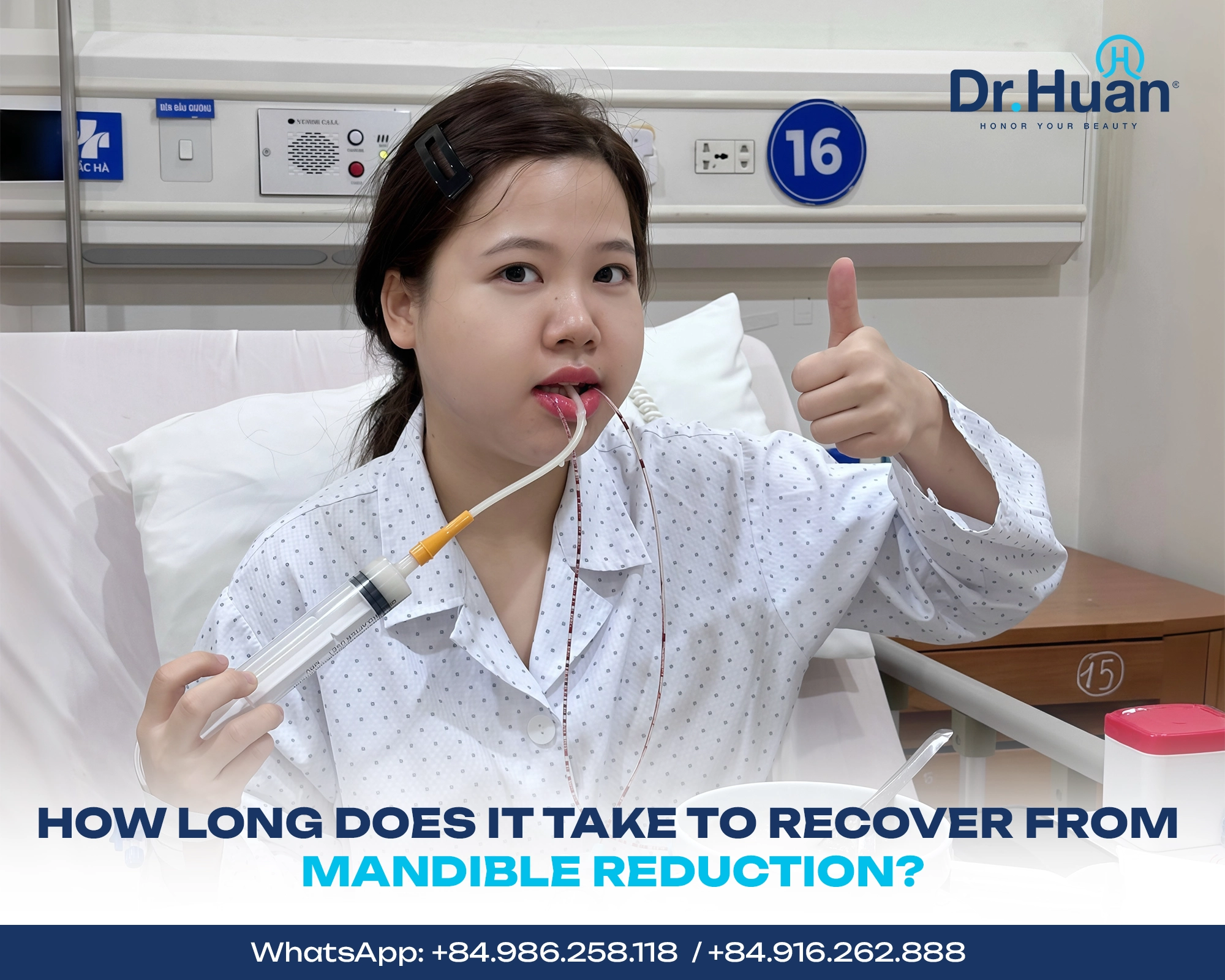
Mandible reduction recovery timeline: from swelling to stabilization
Recovery after mandible reduction occurs in stages. The following timeline is for general reference and may vary depending on each patient’s condition.
| Stage | What to expect |
|---|---|
| First 1–3 days | Swelling, tightness, and discomfort are usually more noticeable. Mouth opening and eating may still be limited. |
| Around 1–2 weeks | Swelling and bruising gradually decrease, the intraoral incision continues to heal, and daily activities become easier. |
| Around 2–4 weeks | Soft tissues continue to recover, swelling decreases further, and the facial contour begins to become more noticeable. |
| Following months | Residual swelling continues to subside, soft tissues gradually adapt to the adjusted bone structure, and the jawline becomes more stable. |
These are general reference points rather than a fixed recovery schedule for every patient. Recovery speed may vary depending on the extent of surgery, individual healing characteristics, and the overall healing process.

Factors that affect recovery time after mandible reduction
Recovery speed depends not only on individual healing characteristics but also on the extent of bone adjustment, overall health, and postoperative care.
| Factor | How it may affect recovery |
|---|---|
| Extent of bone adjustment | Each case may require a different degree of adjustment to the mandibular angle and lower border of the mandible, so recovery time may vary. |
| Surgical technique | The osteotomy design and soft-tissue handling may influence swelling and the recovery process. |
| Individual healing ability | This can affect how quickly swelling subsides and soft tissues recover. |
| Overall health | General health is one of the factors associated with recovery after surgery. |
| Nutrition | An appropriate, nutritious diet helps provide favorable conditions for healing. |
| Postoperative care | Proper oral hygiene, medication use, diet, and rest according to medical instructions can support a smoother recovery. |
| Smoking | Smoking may negatively affect the healing process. |
| Impact to the jaw area | Strong pressure or trauma to the surgical area may interfere with recovery. |
Recovery time after mandible reduction is influenced by a combination of factors. Patients can actively support the healing process by following postoperative instructions, maintaining adequate nutrition, and attending scheduled follow-up appointments.
How to support a smooth recovery after mandible reduction
Proper postoperative care helps create favorable conditions for healing. After mandible reduction, patients should:
- Take medications as prescribed and follow the surgeon’s instructions.
- Apply cold and warm compresses according to postoperative guidance.
- Maintain good oral hygiene and keep the surgical area clean.
- Choose soft, easy-to-eat foods during the early recovery period.
- Get adequate rest and avoid strong pressure or impact to the jaw area.
- Avoid smoking during recovery.
- Attend follow-up appointments as scheduled.
Postoperative care cannot guarantee the same recovery timeline for every patient, but it plays an important role in supporting the healing process.
Frequently asked questions about mandible reduction recovery
How long does it take to fully recover from mandible reduction?
There is no single recovery timeline that applies to every patient. Swelling and discomfort generally decrease during the first few weeks, while the soft tissues and facial contours may continue to change and stabilize over the following months.
How long does swelling last after mandible reduction?
Swelling is usually more noticeable during the first few days and gradually decreases over the following weeks. Mild residual swelling may take longer to subside, so the appearance of the face during the early recovery period does not represent the final stabilized result.
How long after mandible reduction can I eat normally?
During the early recovery period, soft and easy-to-eat foods are recommended, while excessive chewing should be avoided. As swelling decreases, the incision heals, and jaw movement improves, patients can gradually return to their normal diet according to the surgeon’s instructions.
How soon can I return to work after mandible reduction?
For office-based work, the timing of returning to work depends on the patient’s overall condition, degree of swelling, and communication or appearance requirements. Physically demanding jobs or work involving a risk of facial impact may require a longer recovery period.
How soon can I exercise after mandible reduction?
Physical activity should be resumed gradually as recovery progresses. Strenuous exercise and sports that carry a risk of facial impact should be avoided during the early recovery period. The appropriate time to return to exercise should be determined by the surgeon based on the patient’s actual healing progress.
How many days after mandible reduction are the stitches removed?
When absorbable sutures are used for the intraoral incision, patients generally do not need to have the stitches removed. The sutures gradually dissolve as the oral mucosa heals. The exact timing depends on the type of suture used and each patient’s healing process.
Mandible reduction recovery depends on the extent of surgery and each patient’s individual healing ability.
If you are considering mandible reduction, you can schedule an in-person consultation with Dr Huan for an assessment of your facial structure, discussion of the appropriate extent of bone adjustment, and a personalized estimate of your expected recovery process.
WhatsApp +84 916 262 888 / +84 986 258 118
