
Chin implant options include silicone, Surgiform, and PEEK, each differing in material properties and contouring capabilities. Silicone is flexible; Surgiform has a microporous structure that supports tissue integration; and PEEK is rigid and can be custom-designed to match the underlying bone structure. The right choice depends on your chin shape, soft tissue, and desired degree of enhancement.
Understanding the advantages and limitations of each material can help you have an informed discussion with your surgeon before undergoing chin augmentation and choose an approach that complements your facial features.

Chin Implant Types: Silicone, Surgiform, and PEEK
Silicone, Surgiform, and PEEK are synthetic materials used to increase chin projection and enhance chin contours. Each has distinct characteristics:
Silicone
Silicone implants are solid yet flexible and come in various sizes, making them convenient for surgeons to select and adjust during contouring. Implant size and placement should suit the chin’s anatomy and soft tissue thickness to achieve balanced contours.
Surgiform
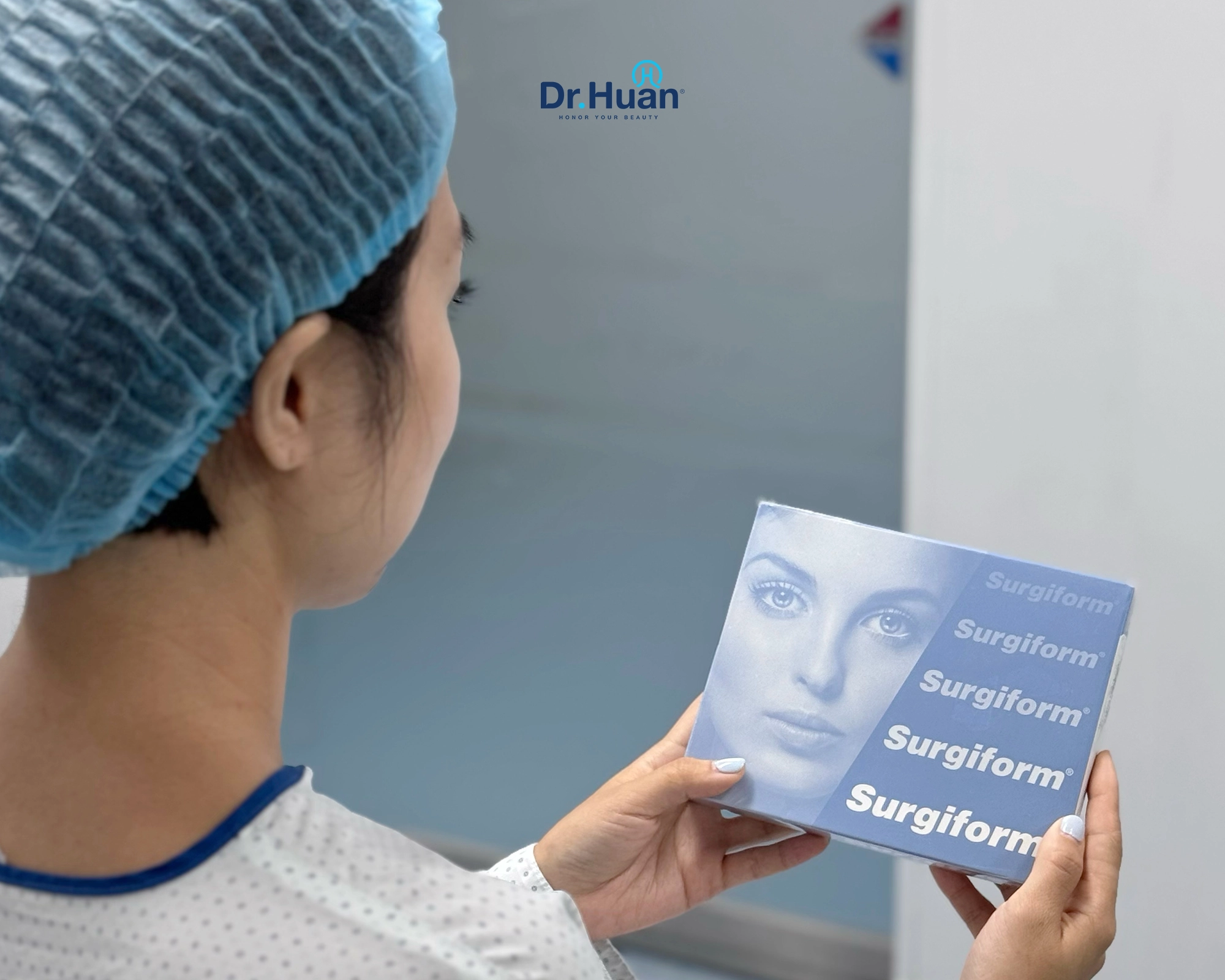
Surgiform’s PureForm line is made from 100% ePTFE, with a microporous structure that supports soft tissue integration with the implant. These implants come in multiple sizes and can be trimmed to shape; their stability also depends on placement technique and the anatomy of the chin.
PEEK
PEEK is rigid and can be custom-designed to match the bone structure using CT scan data. This approach allows the implant’s shape and dimensions to be personalized, but requires time for design, manufacturing, and preoperative soft tissue assessment.
Comparing Silicone, Surgiform, and PEEK for chin implants
Silicone, Surgiform, and PEEK differ in their structure, contouring capabilities, and preoperative preparation requirements:
| Criteria | Silicone | Surgiform PureForm | PEEK |
| Composition | Solid, elastic silicone | 100% ePTFE | Polyetheretherketone |
| Key features | Flexible, available in various shapes | Microporous structure that supports tissue integration | Rigid, with custom design options |
| Contouring approach | A preformed implant is selected and adjusted as needed | A preformed implant is selected and can be trimmed | Patient-specific implants are designed using CT scan data |
| Key considerations | Implant size and fit within the chin region | Product properties and placement technique | Design and manufacturing time, and cost |
Material information is based on references from Implantech, Surgiform, and research on patient-specific PEEK implants.
A well-balanced chin depends on the compatibility between the implant material, facial anatomy, and surgical technique. Softness, country of origin, and cost are only part of the decision.
4 Key criteria for choosing the right chin implant
The most suitable chin implant is one that accommodates your desired chin shape, bone structure, and soft tissue thickness. Rather than choosing solely by product name or material trends, you should base your decision on a specific surgical contouring plan.
Before proceeding, discuss these four points with your surgeon:
Your specific goals:
Do you need greater chin projection, an adjustment in width, or more balanced, natural-looking contours that complement your overall facial appearance?
Whether a custom implant is necessary:
A wide variety of preformed implants are available and can often meet aesthetic goals effectively. Choosing a custom-designed implant, such as PEEK, should have a clear rationale and clinical indication.
Your history of chin procedures:
If you have previously undergone chin augmentation, the precise reason for dissatisfaction with the earlier surgery should be identified before selecting a suitable replacement implant.
The total cost:
Make sure you receive a clear breakdown of all fees, including surgery, the implant, postoperative care, and custom implant design, if applicable. For a broader overview of pricing factors, see the chin augmentation cost guide.
Dr. Huan will personally listen to your goals, examine your chin, and explain the benefits and limitations of the available chin implant types, helping you make the safest and most suitable choice for your face and budget.
Frequently asked questions about chin implant types
Which chin implant provides the most natural-looking results?
A natural-looking result depends not only on the material, but also on how well the implant fits the bone structure, the thickness of the soft tissue, and the surgeon’s technique. Silicone offers flexibility, Surgiform has a microporous structure that integrates well with tissue, and PEEK provides a precise fit against the existing bone.
Is a custom-designed PEEK implant the best choice?
PEEK offers extensive customization and high rigidity, but not everyone requires a custom-designed implant. Today’s wide range of preformed silicone and Surgiform implants can meet most routine aesthetic needs exceptionally well, with shorter treatment timelines and more cost-effective options.
What should I do if I want to replace an existing chin implant?
If you have undergone surgery but are dissatisfied with the result, the most important step is to identify the underlying cause, whether capsular contracture, implant displacement, or an unsatisfactory chin shape. Based on this assessment, your surgeon may recommend using the same implant material in a different size, switching to a material with better tissue integration, such as Surgiform, or choosing a custom design that closely matches the bone structure, such as PEEK, to fully address the problem.
Is chin augmentation with Surgiform permanent?
Surgiform, made from 100% ePTFE, has a microporous structure that allows blood vessels and soft tissue to grow through it, integrating the implant with the body. This property provides a very high level of stability and helps limit displacement, supporting lasting aesthetic results when the implant is placed using the correct technique.
Selecting a chin implant always requires an individualized approach based on bone structure and soft tissue thickness. To support safety and lasting aesthetic outcomes, an in-person consultation with Dr. Nguyen Duy Huan provides a thorough medical assessment and guidance on the implant material best suited to your facial anatomy.
WhatsApp +84 916 262 888 / +84 986 258 118
Note: Aesthetic results may vary depending on each patient’s facial structure, individual characteristics, and healing process.
